Seoul
Enjoy the sights, sounds—and tastes—of the South Korean capital
Originally published on metropolis.co.jp on March 2010

Photos by Will Robb
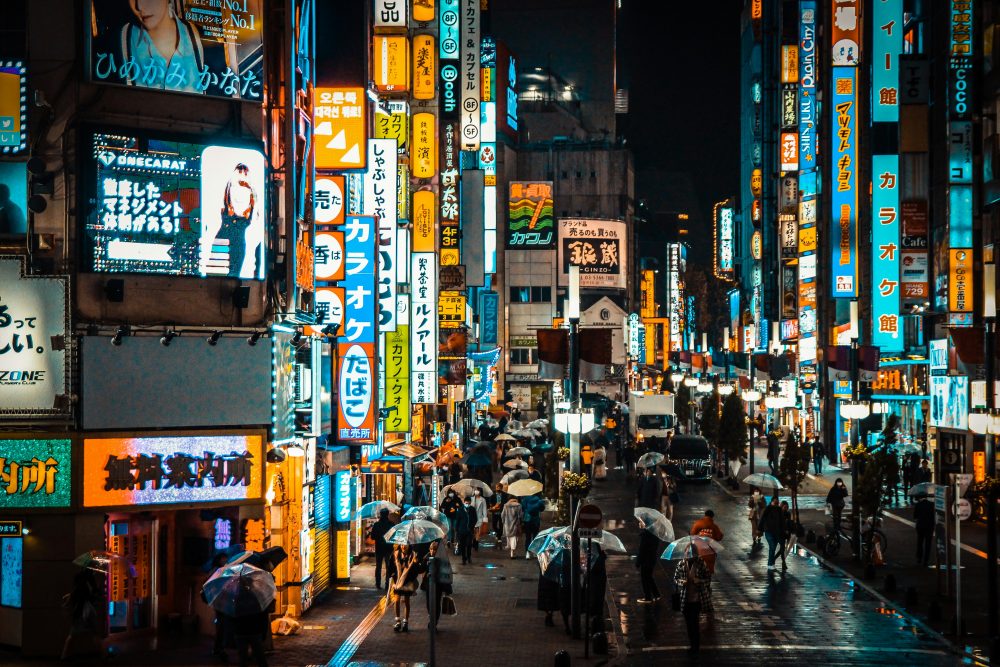
Over the last decade, Seoul has become the most popular destination in Asia for Japanese tourists. On an average day, 22 flights depart from Narita and Haneda to Seoul’s Incheon and Gimpo airports, filled with a mixture of middle-aged Bae Yong Joon fans, young K-pop enthusiasts and hordes of bargain hunters who flock to pick up designer goods, cosmetics and electronic gear for as little as half what they’d cost in Tokyo. In some of the main shopping spots, such as Dongdaemun and Myeong Dong, it’s easy to forget you’ve left Japan—there seem to be more signs in Japanese than Korean, shop staff call out a familiar “Irasshaimase,” and even the street vendors seem to have a good mastery of nihongo.
Mind you, Seoul has a lot more to offer than cheap goods. It’s a vibrant 24-hour city that beautifully combines tradition with modern culture, and it’s worth taking the time to mix in with the locals. What’s more, with roundtrip plane tickets going for as little as ¥15,000 and rooms in good hotels costing just ¥4,000-¥7,000 per night, it actually works out cheaper than a trip to Kyoto or Okinawa.

A good way to start your first day in Seoul is to steep yourself in Korean history at one of the city’s several ancient palace complexes. Changdeokgung, a 300m walk from Anguk subway station, is a UNESCO World Heritage site. The only way to view the interior is on a guided tour, which takes you through the sprawling grounds and culminates in a stroll around the forested “secret garden,” a beautiful spot that shuts out all the hustle and bustle of the surrounding city.
A short walk from Changdeokgung is Insadong-gil, a delightful area crammed with narrow cobbled lanes, traditionally restored restaurants, antique dealers and a vibrant art scene. At the center of the neighborhood, you’ll find the Ssamzie market, an exhibition space where local artists show their works in the basement studio and independent shops sell everything from modern jewelry and clothes to traditional paintings and musical instruments. Even the stairways contain art-works. Though it’s lively during the day, Ssamzie closes down at night and only the restaurants stay open—perfect for a chilled-out evening after a day traipsing around the city.
Nearby, in the midst of Seoul’s main financial district, is the smaller palace complex of Deoksugung, where visitors can watch a changing-of-the-guard ceremony three times a day. Watchmen in traditional clothes play musical instruments and march through the palace grounds, offering a glimpse into Korea’s past.

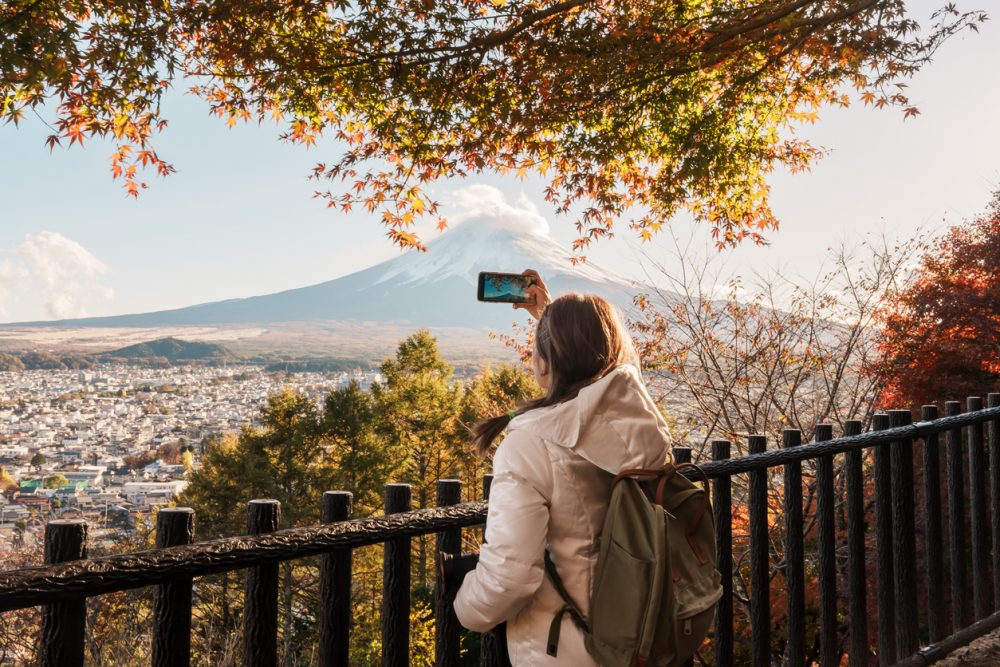
If the weather’s clear and you’d like to enjoy a view of the city, make your way to Namsan Tower, perched atop a mountain to the south of the Myeong Dong area. There’s a bar and café one floor down from the observation deck, and guys will want to use the bathroom while they’re there: the urinals boast the best panorama you’re ever likely to get while relieving yourself. I went twice.
Food is one of the best things about Seoul: it’s cheap and it’s excellent. Order one dish and you get up to 20 side dishes to accompany it. Can’t grumble about that at all. During the day, a good place to find a wide range of typical Korean dishes is Kwangjang, just past the main tourist strip in the Dongdaemun area. It’s a large covered market with hundreds of stalls selling food, fresh meat and vegetables, plus countless varieties of kimchi and even traditional wedding gifts and material for making clothes. At night, one of the best areas to fill your stomach alongside the locals is in Sinchon. The area is crammed with restaurants, and although there’s little in the way of English or Japanese on the menus, if you bring a guidebook with a food section and point to it—or just point to what other people are eating—you’ll get by without any problems. The Koreans wrap their grilled meat up in sanchu lettuce with spicy miso, grilled garlic, leek and a variety of other accompaniments that come free with each plate you order. Gyu-Kaku will never seem the same.
Trip Tips

The flight from Tokyo to Seoul takes about 90 minutes. If flying from Narita, you’ll arrive at Incheon International airport (www.airport.kr/eng/airport), one of the most modern in Asia. It’s linked by a high-speed rail service to Gimpo airport, which receives flights from Haneda; a line extending all the way to Seoul station is due for completion later this year. Most of the tourist sites in the city are within easy reach of each other, and the subway system isn’t nearly as bewildering to navigate as Tokyo’s. The Korea Tourism Organization has information centers at Incheon International and near Jonggak station in central Seoul. For more information, see http://english.visitseoul.net.