What Japan’s 4-0 Win Over Tunisia Means for Its World Cup Knockout Path
Ayase Ueda scored twice as Japan dismantled Tunisia in the World Cup's 1,000th match, leaving the Samurai Blue on the brink of the knockout stage
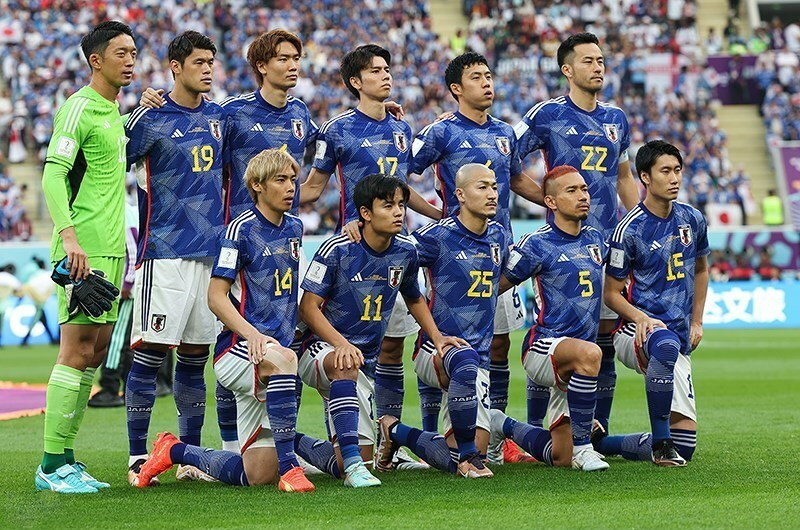
Japan delivered a most emphatic performance for the World Cup on Sunday, dismantling Tunisia 4-0 in Monterrey to keep itself level with the Netherlands at the top of Group F and all but book its spot in the knockout rounds.
The Samurai Blue became the first AFC team ever to score four goals in a single World Cup match, and the margin of victory represents the largest in the team’s World Cup history. Not a bad way to mark the occasion: the match was the 1,000th in World Cup history, 96 years after the tournament kicked off in Montevideo.
Ayase Ueda Named Player of the Match
Japan wasted no time. Daichi Kamada opened the scoring after just four minutes, finishing from close range after deft interplay from Ao Tanaka and Keito Nakamura. It was the fastest goal in Japan’s World Cup history.
Tunisia goalkeeper Aymen Dahmen kept the score respectable for a while, but the floodgates opened before halftime. In the 31st minute, Ayase Ueda received the ball in midfield, drove toward the Tunisia box, and fired an angled shot from outside the area that flew into the bottom corner, through Montassar Talbi’s legs, to make it 2-0.
The rout continued in the second half, with Junya Ito latching onto a brilliant through ball. Ueda then climbed above everyone to direct a looping header into the net in the 83rd minute, completing his brace and sealing the result.
Interested in Japan’s strikers? Check out Keito Nakamura: the goalscorer stepping up in Mitoma’s absence
Where Japan Stands After Tunisia Win
The win puts Japan level with the Netherlands at the top of Group F on four points, a win and a draw apiece, and a goal difference of +4. The only thing separating the two sides heading into the final round of games is goals scored: the Netherlands sits first on seven, Japan second on six.
Japan’s final group match is against Sweden on June 26 at 8am Japan Standard Time (JST), and the result could determine whether it enters the knockout round as group winner or runner-up, which in turn shapes its path through the bracket.
The Road Ahead: Brazil or Morocco?
According to current bracket projections by The New York Times, Japan finishing second in Group F most likely means a June 29 date in Houston against Brazil (65% to win Group C). Finishing first means Japan would head to Monterrey and almost certainly face Morocco, sitting at 70% to finish as Group C runner-up.
So the question becomes: which is the better draw?
Last October in Tokyo, Japan came back from two goals down to beat Brazil 3-2 in its first-ever win against the five-time champions, doing it by dominating the second half, pressing high and dictating terms. With that psychological door open now, anything can happen.
Morocco is different, tactically. Its defensive shape is compact and narrow, built to close central areas and punish teams on the transition, exactly the kind of setup that can neutralize Japan’s quick combination play. The Atlas Lions concede space reluctantly, and the team’s set-piece threat adds another dimension Japan would have to account for.
There’s no easy answer, but on balance, the Brazil path, while scarier on paper, may suit Japan’s style better than a Morocco side that defends like it was designed to frustrate teams exactly like the Samurai Blue.
Want more on Japan’s World Cup run? Check out our full guide: Japan World Cup 2026 Guide: Schedule, Players & Where to Watch in Tokyo