Must-Try Japanese Summer Foods
Cooling dishes, seasonal ingredients and refreshing sweets to eat through Japan’s hottest months
From Hokkaido’s cool farmland to Okinawa’s subtropical coastline, Japan’s varied climate creates one of the world’s richest seasonal food cultures. Summer brings ingredients and dishes designed to cool the body, restore energy and make humid days easier to navigate.
Known as natsubate (summer fatigue), the sluggishness and loss of appetite associated with intense heat has long shaped Japanese eating habits. Summer cooking favors chilled dishes, water-rich produce and ingredients traditionally associated with maintaining energy through the season.
From cooling classics to limited seasonal ingredients and refreshing desserts, these are the flavors that define summer in Japan.
Seasonal Dishes
Somen
Somen is an extremely thin wheat noodle, typically eaten cold and dipped in broth or sauce, from traditional dashi (kelp or fish) and soy sauce blends, or walnut and sesame paste, to more recent trends like chilled gazpacho-style tomato soup.
The noodle’s ancestry is oblique: a Chinese tradition of hand-stretching dough into knotted forms, boiled like dumplings or deep-fried like doughnuts, is considered the origin point, and the same lineage is said to extend to churros in Spain. In Japan, this evolved into somen during the Nara period. It has since been adopted in China as sumian and in Korea as somyeon. Compared to those counterparts, which typically measure around 1.3mm, Japanese somen operates on the principle that thinner is better; premium brands like Ibonoito come in at around 0.5mm.
There is also a summer tradition in which cold somen slides down a split bamboo flume and diners catch the noodles as they pass, eating on the fly, literally.
Hiyashi Chuka (cold Chinese-style noodles)
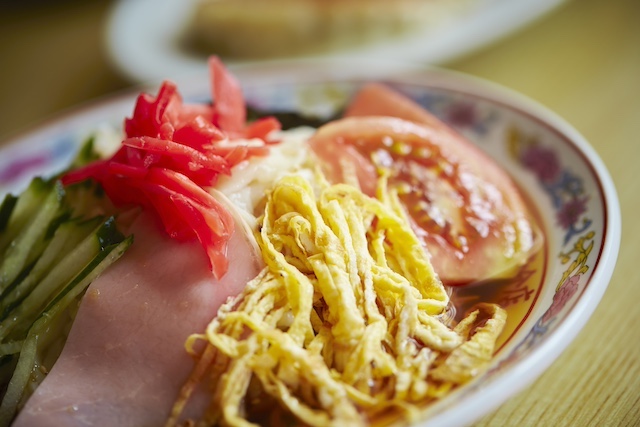
A seasonal alternative to ramen, hiyashi chuka combines chilled noodles with a tangy soy-based or sesame dressing. Thin strips of egg, sliced ham, tomatoes, cucumber and seaweed create a colorful dish that feels substantial without being heavy.
Served across Japan during the hottest months, it has become a summer staple in homes and neighborhood restaurants alike.
Rei Shabu (Cold Shabu-shabu)
Hot pot may lose some appeal in August, but chilled shabu-shabu offers a seasonal alternative. Thinly sliced pork is briefly cooked, cooled in ice water and served over crisp vegetables or cold noodles.
Finished with sesame or ponzu sauce, the dish balances richness with refreshing acidity.
Looking for something sizzling instead? Our guide to Japan’s best barbecue dishes covers the grilled classics that remain popular throughout the summer months.
Hiyayakko (chilled tofu)
Dating back to the Edo period, hiyayakko has become one of Japan’s most enduring summer dishes. Served cold and built around silky tofu, it offers a light meal when hot weather kills the appetite.
Traditional toppings include grated ginger, soy sauce and chopped scallions, but modern versions often add ume paste, sliced okra or shiso for extra freshness.
Tokoroten
Tokoroten is a firm, jelly-like food made from tengusa, a type of red algae harvested from the sea. The extracted gel is set into a block, then pressed through a wooden device called a tentsuki, which cuts it into long, thin strands in a single push.
In the Kanto region, tokoroten is eaten savory, dressed with a sharp ponzu and soy sauce, often with a dab of karashi mustard. In the Kansai region and much of western Japan, the same strands are eaten sweet, drizzled with black sugar syrup (kuromitsu) and sometimes paired with kinako, roasted soybean flour.
Tokoroten has been eaten in Japan since at least the Heian period, making it one of the older prepared foods still in common circulation, sold in supermarkets in ready-to-eat packs throughout summer.
Ingredients
Unagi (freshwater eel)
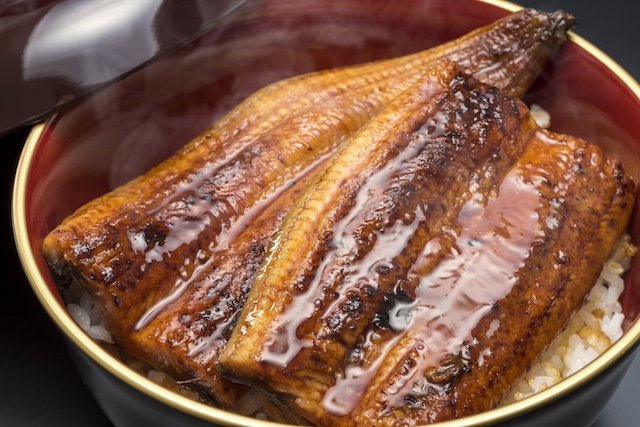
Unagi has long been linked with summer dining traditions in Japan. Grilled and glazed with a sweet soy-based sauce, the fish is rich and satisfying despite being served during the hottest season.
Its association with summer stems from the belief that nutrient-dense foods help combat seasonal fatigue.
Ayu (sweetfish)
With a short lifespan and a brief peak season, ayu reaches its best condition during summer. Known for its delicate texture and subtle sweetness, the river fish is particularly associated with central Japan.
It is commonly served grilled with salt, prepared as sashimi or lightly fried.
Goya (bitter gourd / melon)
Commonly associated with Okinawan cooking, goya adds sharp flavor and texture to summer dishes. High water content and naturally occurring nutrients have made it a seasonal favorite for generations.
It is most often stir-fried, stuffed or added to salads.
Nagori Takenoko (bamboo shoots)
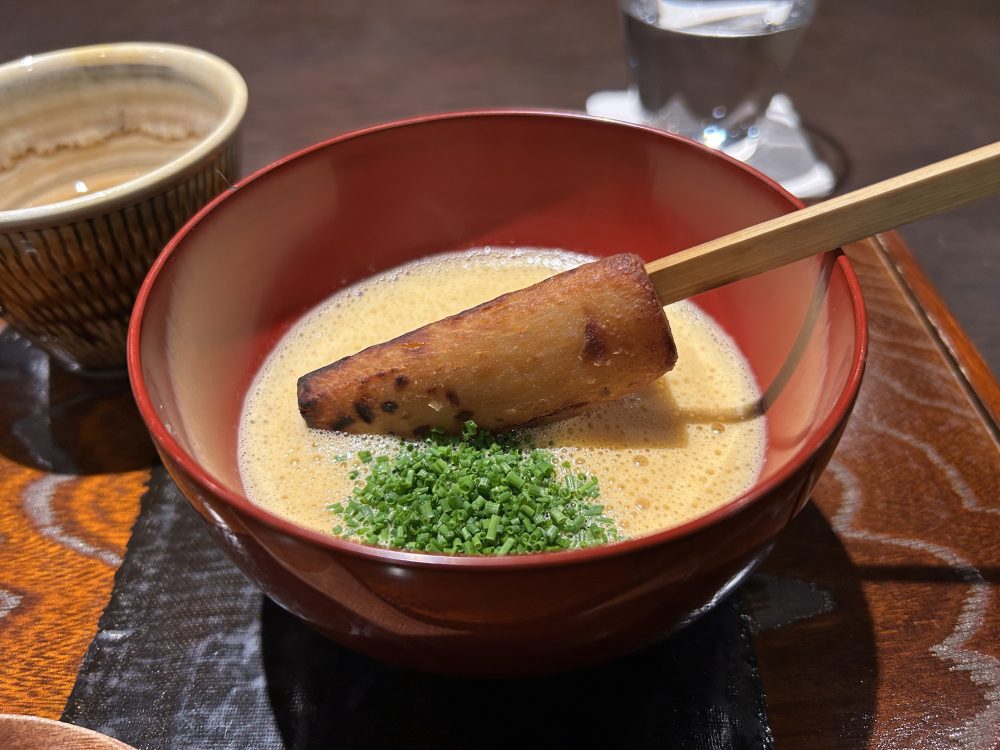
Nagori refers to foods enjoyed toward the end of their seasonal peak. Late-summer bamboo shoots develop a deeper, earthier flavor than their spring counterparts.
Grilled simply with salt or cooked with rice, they offer a richer take on one of Japan’s best-known seasonal ingredients.
Watermelon
Few summer rituals feel more nostalgic than eating cold watermelon on a humid afternoon. Japanese watermelon reaches peak season from June through August and appears at festivals, family gatherings and beach trips across the country.
It is also tied to suikawari (watermelon splitting), a summer game in which blindfolded participants attempt to crack open a watermelon with a stick.
Biwa (loquat)
Available for only a short period each year, biwa delivers gentle sweetness somewhere between apricot, peach and citrus.
Often served fresh, it also appears in parfaits, sorbets and seasonal desserts during early summer.
Sweets
Kakigori (shaved ice)
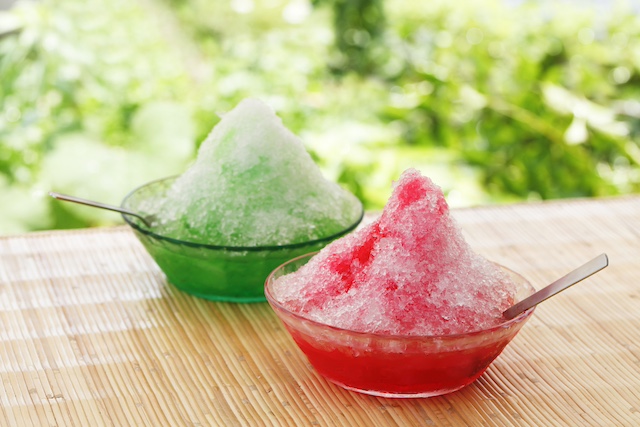
Once associated with aristocratic summer traditions, kakigori has evolved into one of Japan’s most recognizable warm-weather desserts.
Ice is shaved into delicate flakes and topped with syrups ranging from strawberry and melon to matcha and condensed milk.
Check out our guide to the best Kakigori in Tokyo.
Mizu Yokan (soft red bean jelly)
A lighter version of traditional yokan, mizu yokan combines adzuki beans, agar and sugar into a chilled dessert with a delicate texture.
Served cold, it offers a refreshing finish after dinner.
Uiro (steamed cake)
Less internationally known than mochi, uiro is a steamed confection with a soft, chewy texture.
Summer variations often incorporate flavors such as yuzu or matcha, making it a lighter alternative to richer desserts.
Looking for more guides to staying cool in Tokyo this summer? Read our other guides to events and tips:
Best Summer Beer Gardens in Tokyo 2026
Japan Drugstore Guide: Best Japanese Sunscreen
Some of Japan’s most popular summer dishes include hiyayakko (chilled tofu), hiyashi chuka (cold noodles), cold shabu-shabu and unagi (freshwater eel). These dishes are valued for their cooling qualities and light flavors during hot weather.
Natsubate is a Japanese term that describes fatigue, loss of appetite and sluggishness caused by summer heat and humidity. Many traditional summer foods are designed to help combat these symptoms.
Summer ingredients include ayu (sweetfish), bitter gourd, watermelon, loquat (biwa), cucumber, tomato, eggplant and various citrus fruits. Many reach their peak flavor between June and August.
Japanese summer cuisine often focuses on chilled noodles, tofu dishes, seasonal vegetables, water-rich fruits and refreshing desserts. These foods are believed to be easier to eat during periods of high heat and humidity.
Watermelon season typically runs from June through August. The fruit is a staple of Japanese summer festivals, beach trips and seasonal gatherings.